

Get Your Free Estimate
Restore Your Property with Water Damage Services Speed and Precision!
We have seen firsthand what happens when the Burnett River exceeds its banks, as it did during the 2010 and 2013 floods that inundated properties in Bundaberg East and North Bundaberg. Our work is not just about water extraction, it’s about understanding the specific building materials and environmental conditions of Central Queensland. From the alluvial soils that pose a scour risk to foundations during floods to the persistent subtropical humidity that creates a high-risk environment for mould genera like Aspergillus and Penicillium, our approach is specific to this region.
We provide a 24/7 emergency response service because water mitigation is a time-critical process. The primary objective is to stabilise the property and begin structural drying before moisture saturates wall cavities and sub-floors, a particular risk in older Queenslander-style homes with VJ walls and extensive timber framing. Our protocols are designed to address the unique challenges of this region, whether it’s a flooded basement in a Branyan home after a downpour or a slow leak inside a commercial building in the CBD.
-what we do
Our Restoration Services
Explore our specialised services, each adapted for the specific building stock and climate of Central Queensland.
Water Damage Restoration
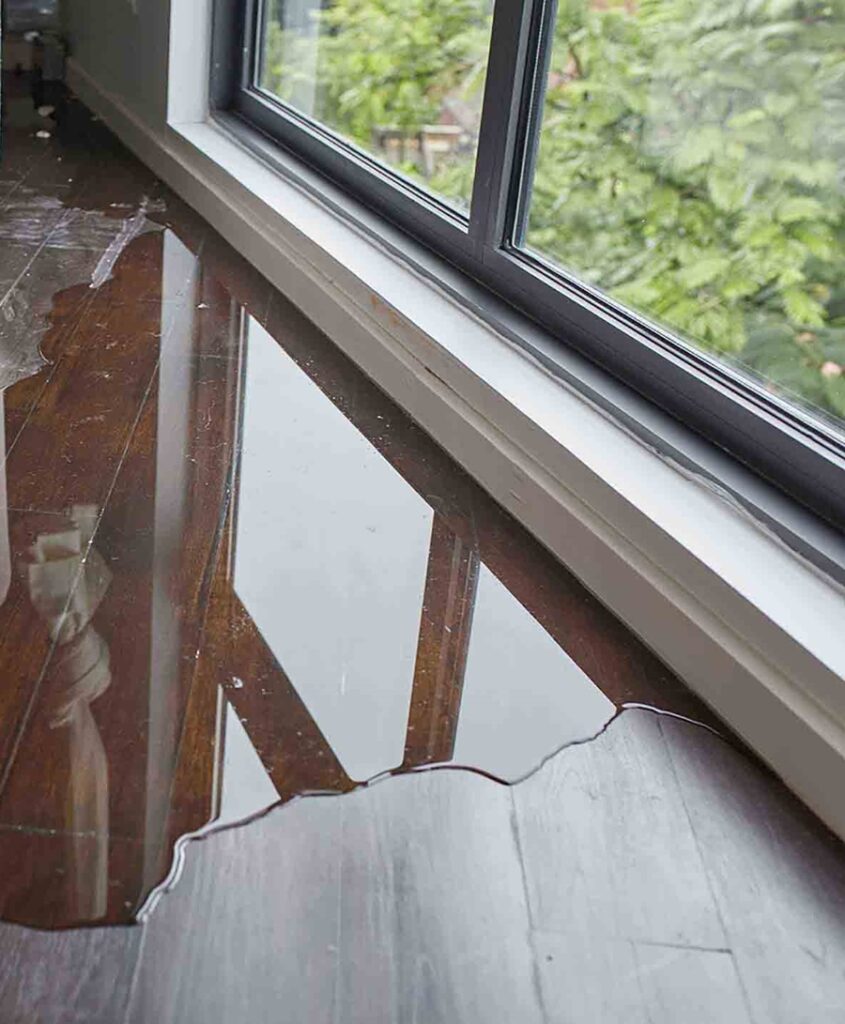
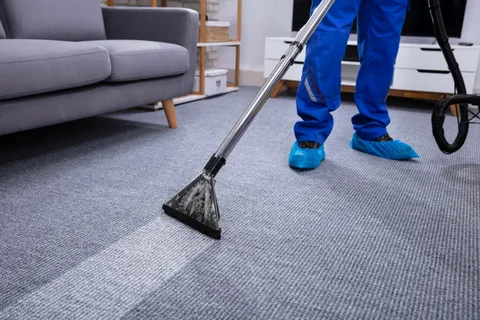
A comprehensive service for mitigating water intrusion from sources like burst pipes or appliance failures. We provide detailed moisture mapping to track migration and ensure all affected materials are identified.
Flood Damage Restoration
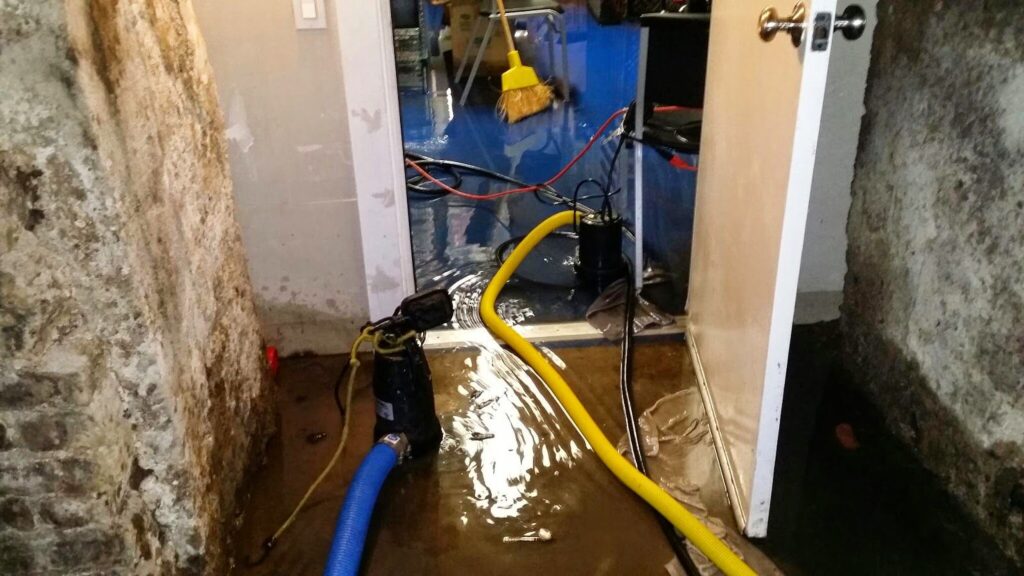
Response to major water events, including riverine flooding from the Burnett or Kolan Rivers and flash flooding from tropical storms. Our work focuses on removing grossly contaminated materials and implementing a structural drying plan that accounts for local alluvial soil saturation.
Contamination Cleanup
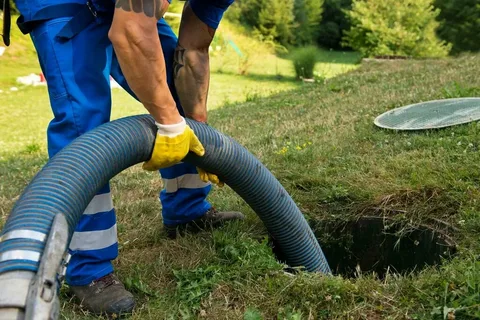
Safe remediation of grey water (Category 2) and black water (Category 3) intrusions, such as sewage backflow or overland floodwater. We adhere to strict health and safety protocols for containment, cleaning, and sanitisation.
Structural Drying
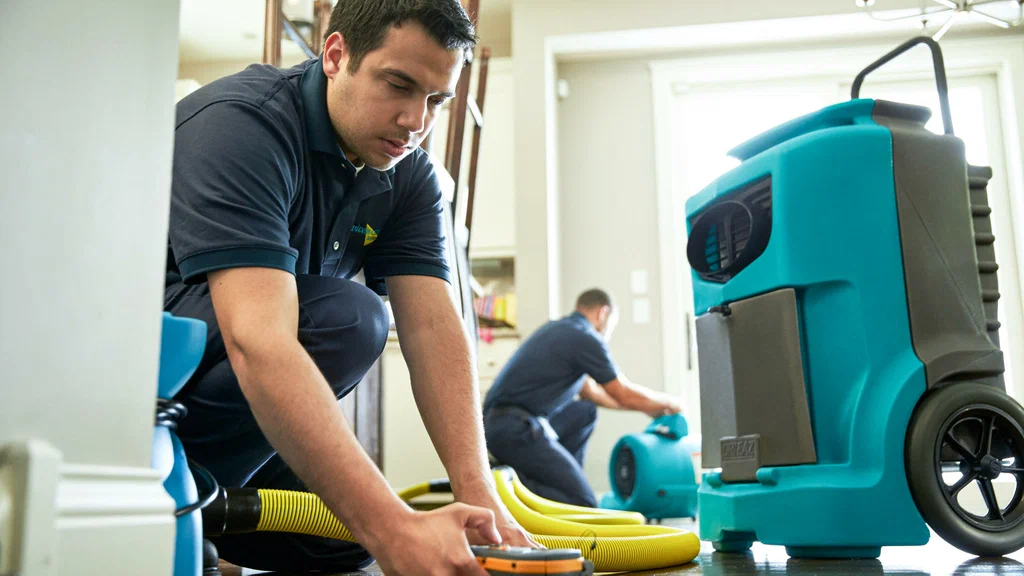
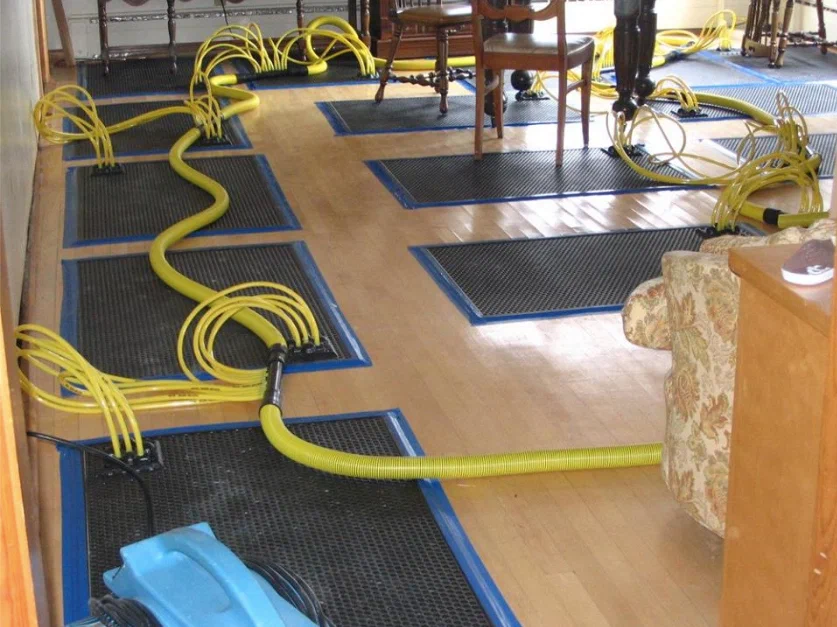
Using LGR dehumidifiers, air movers, and heat-drying systems to return building materials to their equilibrium moisture content. We document moisture levels in accordance with IICRC S500 standards to verify the structure is dry.
Specialised Materials
We have specific protocols for drying high-risk materials common in the Bundaberg region, including dense timber frames in Queenslanders, plasterboard (Gyprock), and sub-floor cavities.
Odour Removal
Utilising techniques like thermal fogging and ozone treatments to neutralise persistent odours from mould, bacteria, or other contaminants after the source moisture has been eliminated.
Mould Remediation
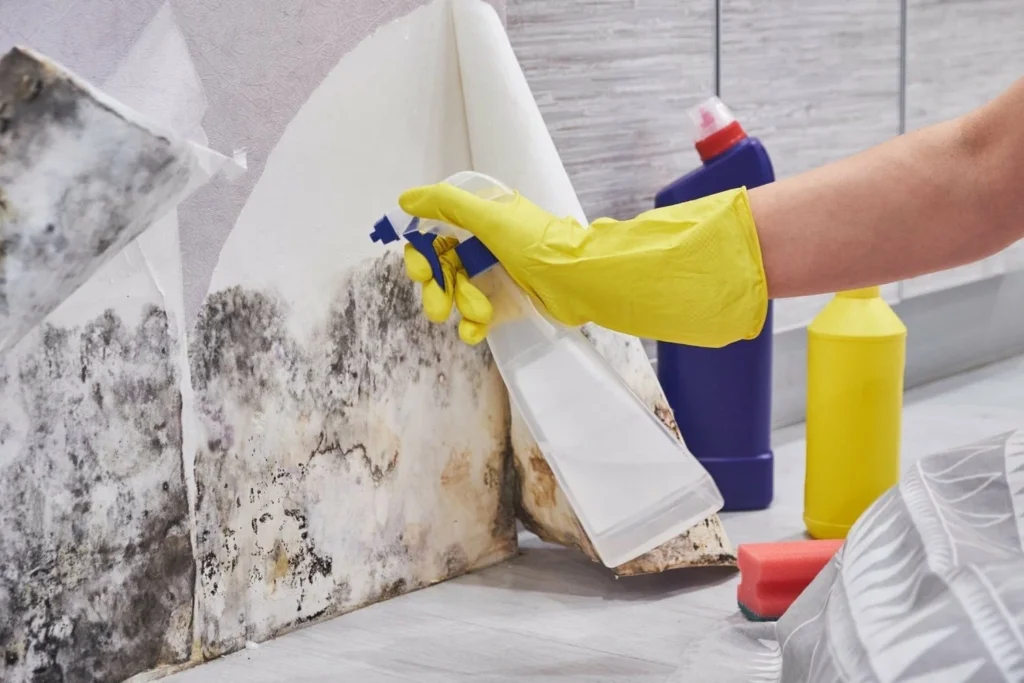
Identifying and removing mould growth, which is a frequent consequence of untreated water damage in our subtropical climate. Our process involves containment, air scrubbing with HEPA filters, and addressing the underlying moisture cause to prevent recurrence.
Types Of Water Damage
The source of the water, how long it has been present, and the materials it has affected all determine the level of contamination and the type of restoration required.
Who Are You
Our technical documentation and adherence to industry standards allow us to work efficiently with all stakeholders. We provide detailed reports for homeowners, insurance companies, insurance builders, property managers, and tenants.
-Our Professionals
Why Our Approach is Different
- IICRC Certified Firm
- Insurance Claim Assistance
- On-Site Within the Hour
- Advanced Equipment
- Transparent Communication
- Complete Restoration Solutions
Your Local Water Damage Experts
From start to finish, Water Damage Restoration Central QLD provides expert solutions tailored to your situation. Let us handle the damage so you can get back to normal.
-OUR PROCESS
Get Our Service In 3 Steps
On-Site Assessment
A technician will arrive, identify the water source, and use thermal imaging cameras and moisture meters to map the extent of migration through walls, floors, and ceilings.
A Documented Scope of Works
We provide a clear, itemised plan outlining the required extraction, drying, and any necessary removal of non-salvageable materials. This scope is shared with you and your insurer for approval.
Execution and Verification
Our IICRC-certified technicians execute the plan. We monitor the drying process with daily readings until the materials reach their dry standard, providing a final report as proof.
- Testimonials
What Our Customers Are Saying
Professional Restoration Made Simple
Water Damage Restoration Central QLD ensures expert care and attention to detail for all your restoration needs. We’re here when you need us the most.
Frequently Asked Questions about Water Damage Services
Water damage is classified into three categories. Category 1 is from a clean source like a supply pipe. Category 2 (grey water) is contaminated and may cause sickness, for example, from a washing machine overflow. Category 3 (black water) is grossly contaminated, such as sewage or river floodwater, and poses a serious health risk.
Professional restoration uses a combination of high-volume water extractors, commercial-grade LGR (Low-Grain Refrigerant) dehumidifiers, and high-velocity axial or centrifugal air movers. This equipment works together to remove moisture from the air and from within materials, which is crucial in Queensland’s humid climate.
While ventilation helps, it cannot remove bound water from dense materials like timber or concrete. In Central Queensland’s high humidity, simply moving ambient air around can even make the problem worse. Professional drying creates a controlled, low-humidity environment that forces moisture out of the structure.
The biggest risk is mould growth, which can begin within 48-72 hours in damp conditions. Spores from genera like Aspergillus and Penicillium can trigger allergies, asthma, and other respiratory issues. Bacterial growth is also a major concern, especially with Category 2 or 3 water.
Yes. If our initial inspection identifies pre-existing or resultant mould, we will incorporate mould remediation into the scope of works. This is performed according to the IICRC S520 standard, which involves containment, HEPA air filtration, and removal of the source contamination.
Affiliates & Certifications:
We are committed to the highest industry standards. Our technicians are certified by the Institute of Inspection, Cleaning and Restoration Certification (IICRC), the leading standards body for our industry. We adhere to the QBCC guidelines for restoration work in Queensland and follow the nationally recognised AS-IICRC S500 standard.